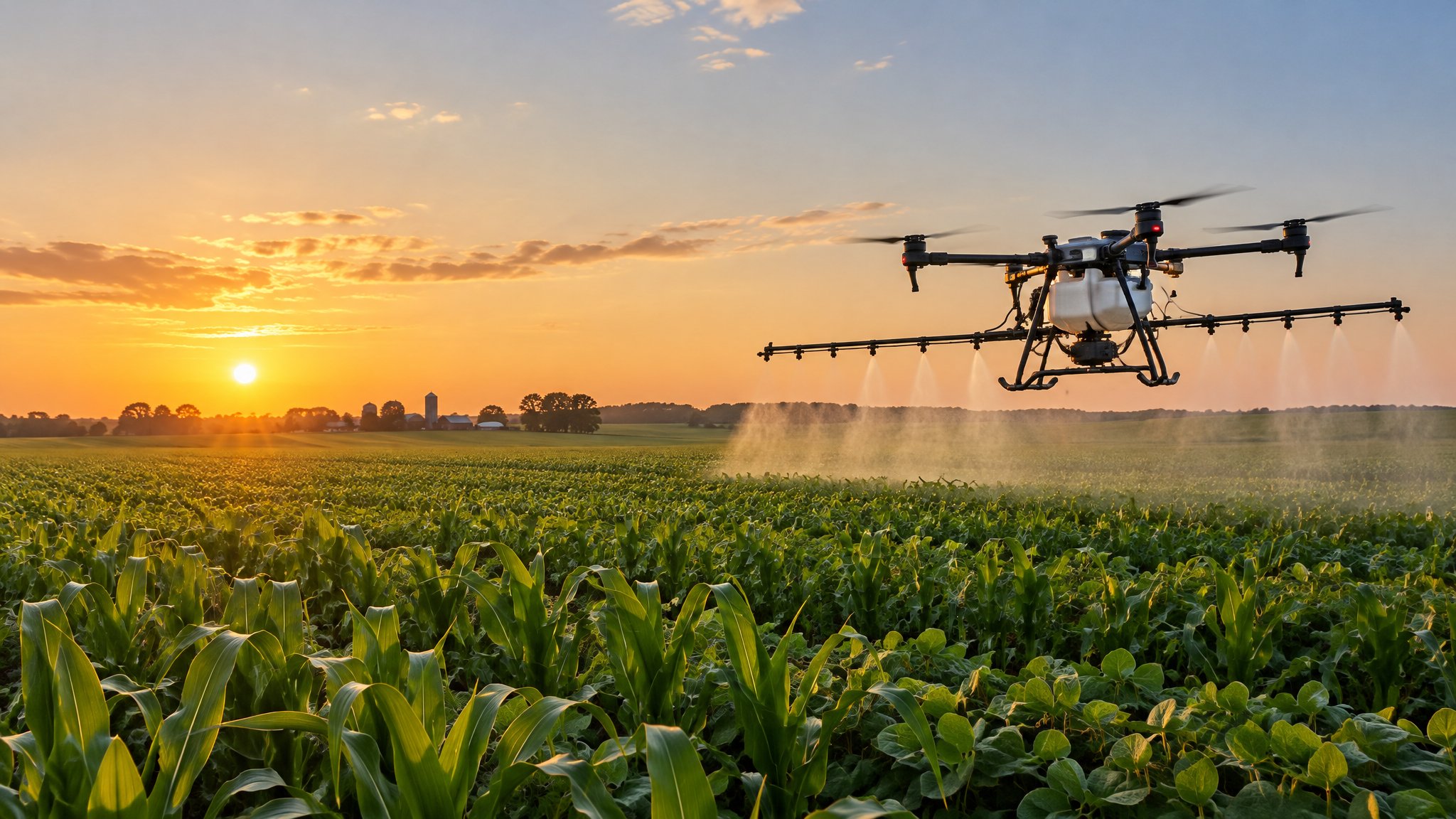
Part 107, Part 137 and State Pesticide Licensing Explained
The separate aviation and pesticide permissions behind US drone spraying — and why “FAA certified” is never enough on its own.
Part 107: the foundation
A Part 107 Remote Pilot Certificate is the basic qualification for most commercial small-drone flights in the United States. It covers mapping and scouting flights, but it does not by itself authorise dispensing agricultural products.
Part 137: agricultural aircraft operations
Dispensing covered substances for agricultural purposes falls under 14 CFR Part 137 and requires an Agricultural Aircraft Operator Certificate. Because these rules were written for crewed aircraft, drone operators commonly also rely on exemptions; heavier aircraft (55 lb and over) typically need broader relief, often under Section 44807.
State pesticide rules are separate
FAA approval is not pesticide approval. States can require a commercial pesticide applicator licence, an aerial category or endorsement, a pesticide business licence, insurance, registration and copies of federal aviation documents. Requirements differ by state, so check with the state department of agriculture where the field is located.
How this directory shows credentials
Listings show Part 107, Part 137, exemptions, state licences and insurance as separate items. Unclaimed and unverified listings have not supplied evidence yet. A verification badge means documents were reviewed on a date — it is not a certification, and directory answers never establish legality.
What to ask a provider
Ask for each document number, the states it covers and its expiry date, and confirm with the issuing authority if in doubt. Always follow the product label and current regulator guidance.
Ready to compare providers?
Describe your project once and get quotes from suitable agricultural drone providers.